Building systems are the electrical, plumbing, and mechanical (HVAC) systems found in modern buildings. A building system refers to how these components interact, from interior to exterior. Examples of building systems include ventilation, heating, air conditioning, fire protection, sewer systems, etc. Read More…
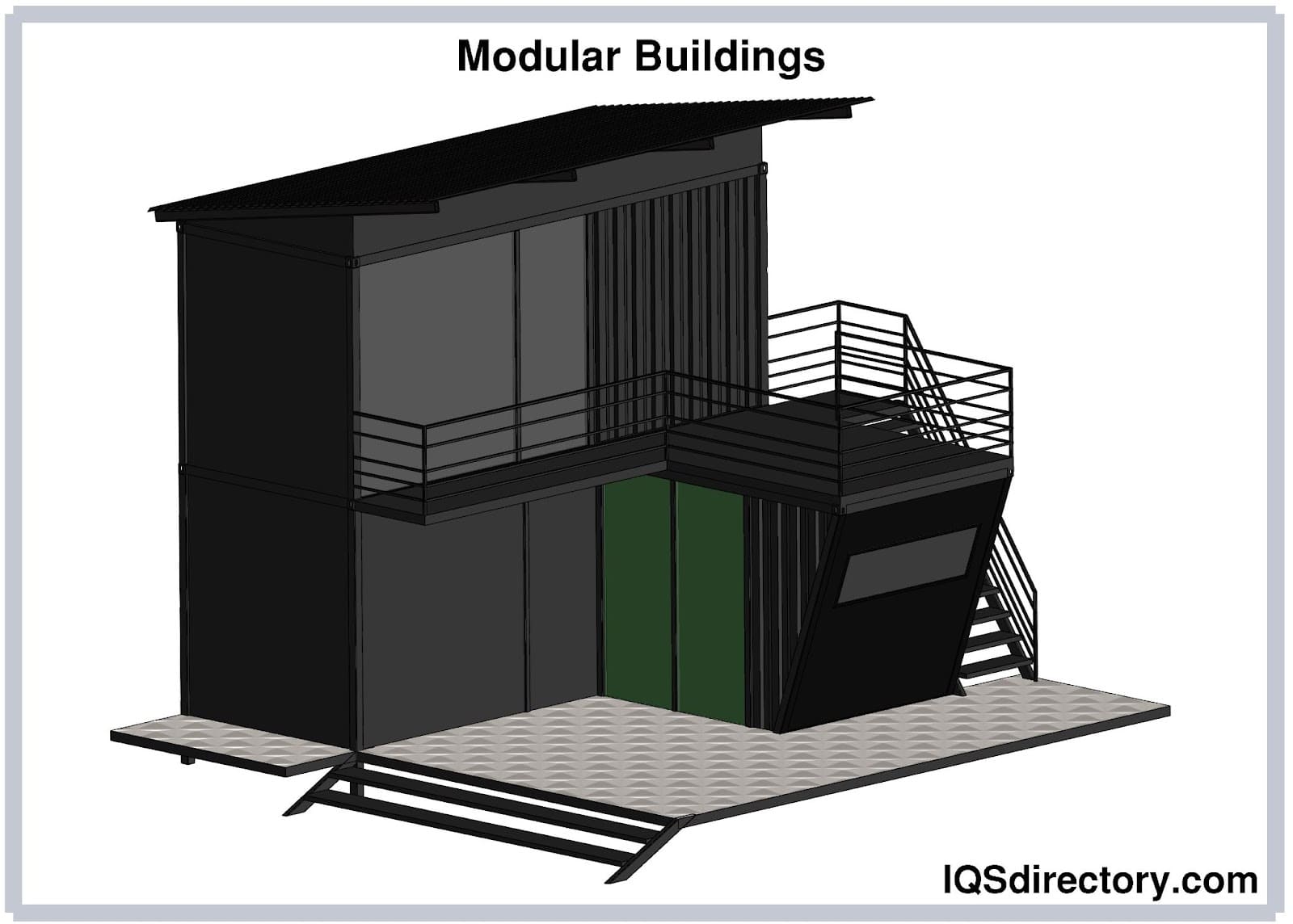
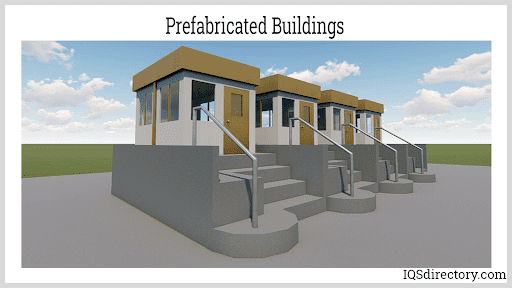
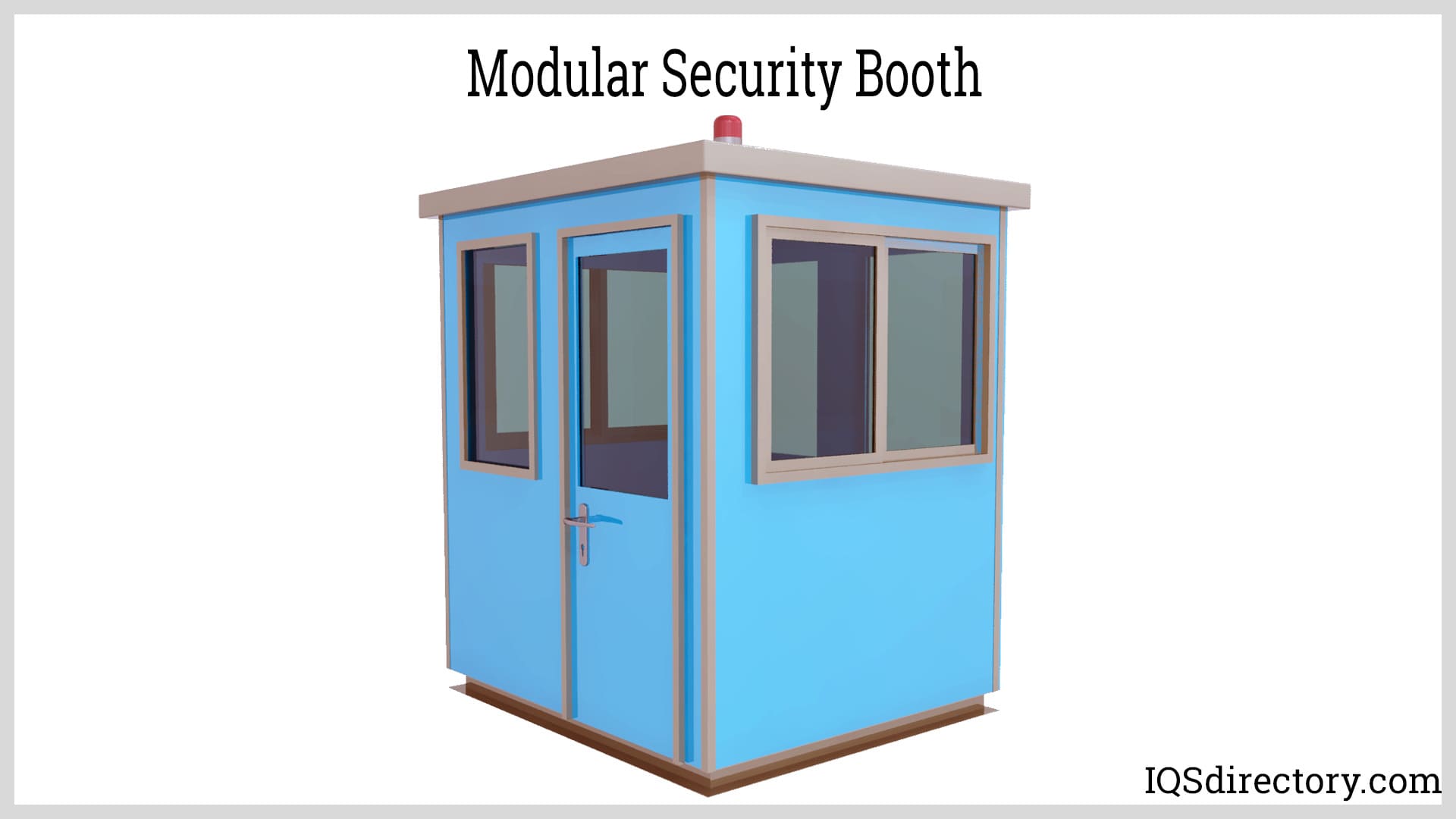
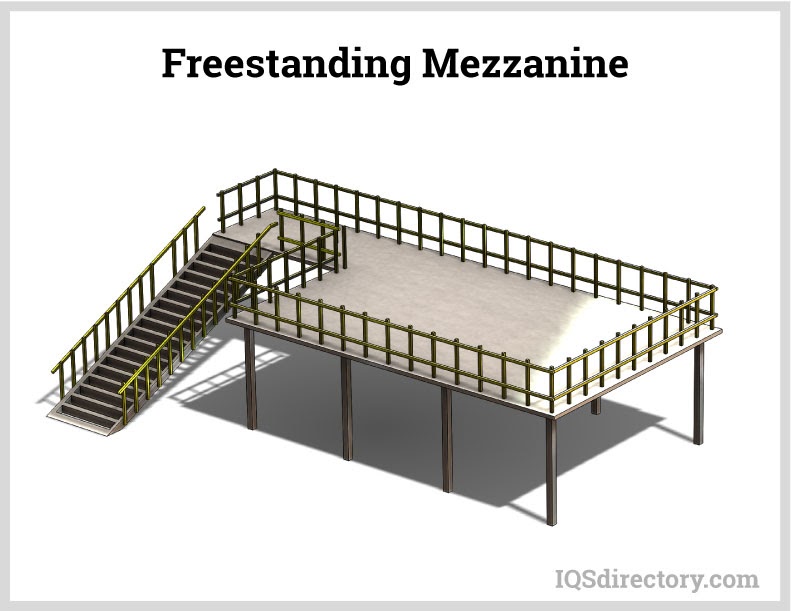
As a modular building manufacturer, including inplant modular offices, exterior steel buildings, guard buildings, fork liftable and crane liftable buildings, multi-level buildings and mezzanines, Abtech offers turnkey installations or packages for install by end user. Our modular structures are constructed of steel, are free-standing & manufactured under strict quality control methods.

We offer a wide variety of affordable modular buildings for your convenience. Our engineers are determined to bring you a product with a great value and exceptional customer service. We have been around since 1954 providing portable buildings that are made out of steel.

Our booths and partitions are available in solid surface, stainless steel, solid plastic, solid phenolic, high pressure laminate, and metal powder coated. Our washroom accessories also include combo towel waste units, paper towel dispensers, waste receptacles, soap dispensers, mirrors, warm air hand dryers, toilet tissue dispensers, toilet seat cover dispensers, grab bars, bathroom accessories,...

Morgan Buildings can meet just about any modular building need. For over 60 years and 3 generations Morgan has been a pioneer and leader in modular design and construction. As a fully integrated family-operated company we design, build, transport and install modular buildings around the country and the world. From guard houses to 2-story housing complexes and everything in between we have the...

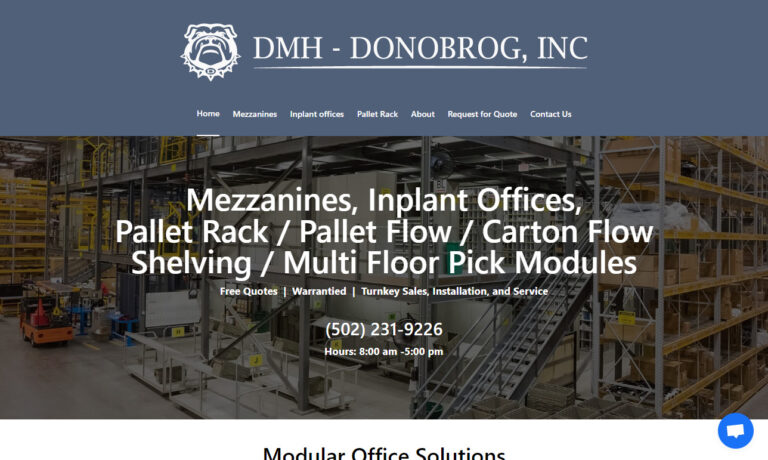
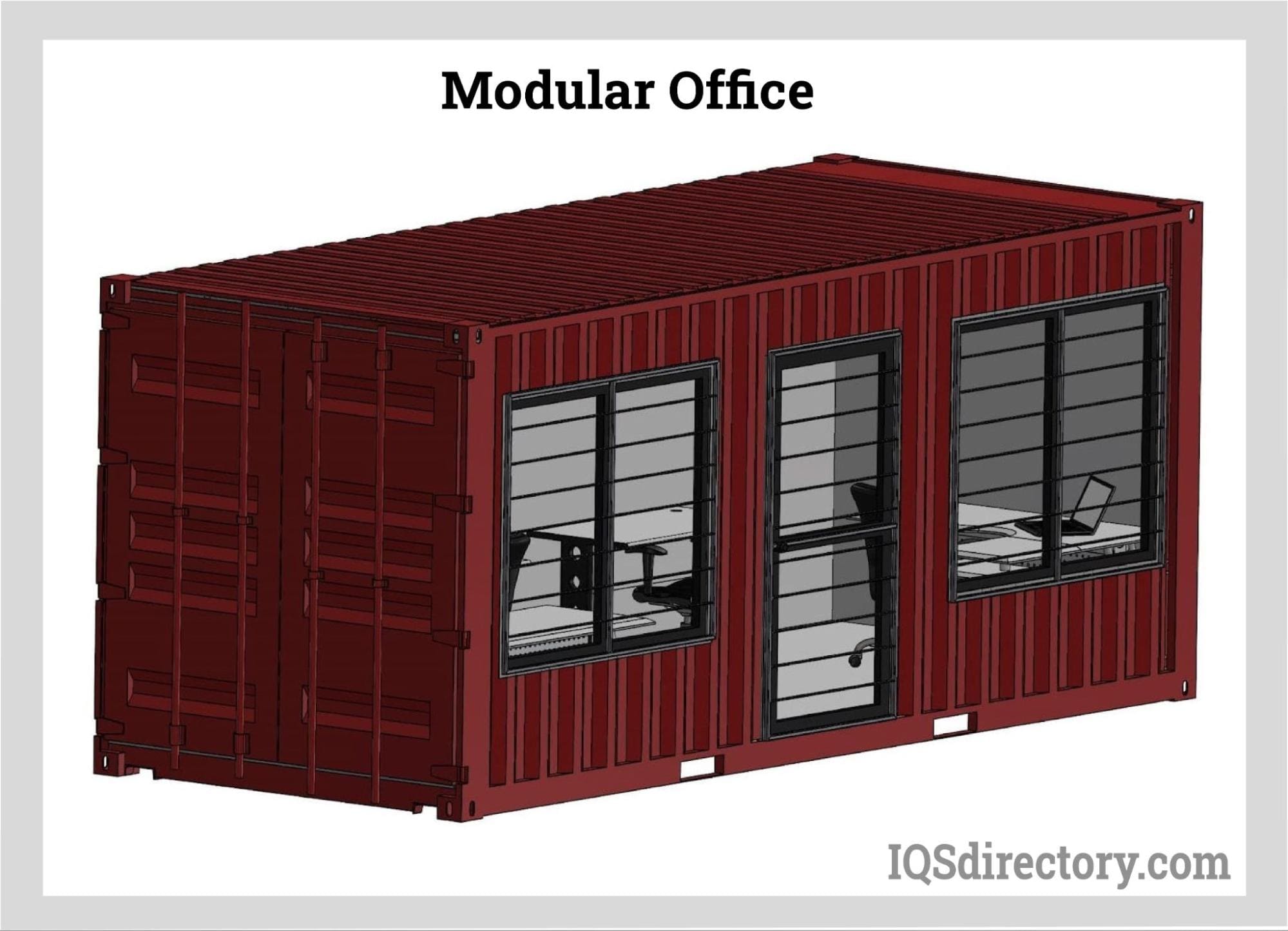
Donobrog has been a leading supplier of high-quality prefabricated modular buildings and modular offices since 1985. We offer single offices, 2-story multiunit enclosures and noise enclosures in a variety of sizes, styles and configurations. Call today for more information!
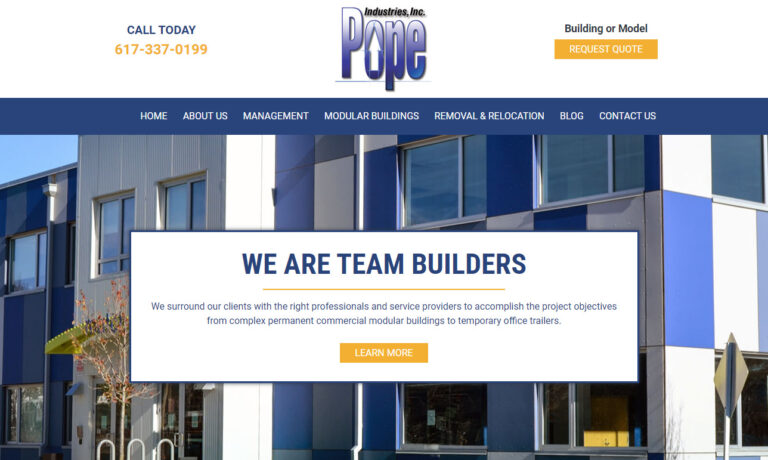
At Pope Industries Inc., we present ourselves as dedicated manufacturers of modular buildings designed to provide durable, efficient, and cost-effective solutions for a wide range of industrial, commercial, and municipal needs. We build our structures using high-quality materials and precise fabrication methods, allowing each unit to offer dependable long-term performance in environments where...



More Building System Manufacturers

What are Building Systems?
Building systems refer to the integrated set of structural, mechanical, electrical, and plumbing (MEP) components that make up the operational foundation of any commercial, industrial, or residential property. In modern construction, the term "building systems" encompasses everything from the building envelope and insulation to HVAC (heating, ventilation, air conditioning), lighting, fire protection, and advanced automation systems. Focusing on how each structural component interacts is what it means to "create as a system" in design and construction. Everything from the outside to the inside is covered, as are connections to municipal sewage systems, electrical networks, and emerging smart technologies. This holistic approach takes into account each component's performance in relation to the others throughout each phase of the building's life cycle, from design and construction to operation and maintenance.
The interaction of many parts—such as insulation, windows, HVAC, and lighting—directly impacts the overall performance, energy efficiency, and sustainability of the building. The building's operational success is best evaluated by considering the synergy among these systems, rather than assessing each section in isolation.
Individually, efficient components won’t always translate into an efficient system. Therefore, it is crucial for energy efficiency, occupant comfort, and long-term operational savings to consider the interrelationship of components, including how energy flows between them, how loads are balanced, and how technology and controls optimize performance.
Before the systems approach was developed, building components were evaluated individually. As a result, buildings frequently experienced challenges such as excessive heat or cold, high condensation levels, poor indoor air quality, or tenant noise complaints. Sometimes, catastrophic failures occurred—such as flooding—when a building's link to municipal drainage or stormwater systems was ignored. The systems approach aims to prevent these issues by ensuring all components work together seamlessly.
The building as a system approach calls for the collaboration of trained experts from the physical sciences, engineering, economics, behavioral sciences, architecture, and construction fields. This requires both technical and soft skillsets, paired with collaboration between architects, electricians, maintenance workers, energy modelers, and planners. By bringing together multidisciplinary teams, the building system approach ensures that every aspect of a building’s functionality, comfort, and environmental impact is optimized for the present and future.
Why Building as a System Approach?
The method of "building as a system" offers several compelling advantages for owners, occupants, facility managers, and the broader community. This holistic approach provides a thorough picture of a facility's efficiency across the course of both its short- and long-term use. By understanding the complex interactions among building systems, stakeholders can identify opportunities for improvement in energy performance, occupant well-being, and operational cost reduction.
Key reasons to employ the building as a system method include:
- Enhanced Energy Efficiency: Integrating systems such as HVAC, lighting, insulation, and renewable energy solutions leads to lower utility costs, reduced peak demand, and higher overall energy performance.
- Improved Indoor Environmental Quality: A systems-based approach addresses thermal comfort, indoor air quality, daylighting, noise control, and humidity—all factors that contribute to occupant satisfaction and productivity.
- Lower Environmental Impact: By optimizing building systems, property owners can significantly reduce greenhouse gas (GHG) emissions, conserve water, and minimize landfill waste.
- Increased Building Longevity: Coordinated design and maintenance of building systems reduce wear and tear, extend equipment life cycles, and help avoid expensive emergency repairs.
- Future-Proofing Buildings: The systems approach supports the integration of new technologies—such as smart sensors, building automation, and renewable energy—ensuring that properties remain adaptable and competitive.
Enhancing the energy efficiency of a building provides advantages for both the inhabitants and society at large. It contributes to decreased utility costs, increased grid stability for energy suppliers, and a general decrease in carbon emissions. Additionally, it helps meet evolving building codes, green building certification standards (such as LEED® or WELL™), and regulatory requirements for sustainability.
Increasing occupant health and safety, enhancing building longevity, and improving occupant satisfaction are further advantages of a “buildings as systems” approach. These advantages are attained through research observations and real-world applications—for example, studying how windows reflect sunlight onto inhabitants' screens, how sound travels across units, or how fire suppression systems can be optimized to enhance safety.
Are you interested in learning how a systems-based approach can improve your building’s performance, energy efficiency, and occupant satisfaction? Contact a building systems consultant or explore our directory to find experts in building systems integration.
Types of Building Systems
There are several key types of building systems, each with unique roles and benefits in commercial, industrial, and residential construction:
Lighting Systems
Lighting systems are a collection of luminaires, fixtures, and related lighting equipment designed to provide the right amount of light where and when it is needed. Modern lighting building systems incorporate LED technology, smart lighting controls, daylight harvesting, occupancy sensors, and tunable color temperature to maximize human comfort, safety, security, and visibility while minimizing power consumption.
Even though energy-efficient lighting components are critical, effective lighting paired with daylight system design and automated controls can deliver significant energy savings and help achieve green building certifications. Proper lighting system design also impacts occupant productivity and well-being by reducing glare, providing adequate illumination for tasks, and supporting circadian rhythms.

HVAC&R Systems (Heating, Ventilation, Air Conditioning & Refrigeration)
HVAC&R systems are among the highest energy consumers in commercial and institutional buildings. These building systems regulate temperature, humidity, ventilation, and air quality to ensure occupant comfort and protect sensitive equipment. Efficient HVAC systems use advanced speed controls, demand-based ventilation, heat recovery, variable refrigerant flow (VRF), and smart thermostats to optimize energy use.
Low-level heat (such as rejected heat from HVAC or refrigeration systems) can be recaptured and used to pre-heat domestic hot water systems or condition outside air, maximizing resource utilization and reducing overall energy consumption. Selecting the right HVAC&R equipment is essential for achieving long-term energy savings, regulatory compliance, and occupant satisfaction.
Hot Water Systems
Hot water building systems distribute heated water throughout a building for purposes such as domestic use, hydronic heating, radiant floor heating, and process applications. These systems include options such as high-efficiency boilers, heat pumps, solar thermal systems, recirculation pumps, and insulated piping layouts.
Strategic placement of heating equipment and the use of smart controls can reduce heat loss, improve energy efficiency, and ensure reliable hot water supply even in large or complex facilities.

Motor Systems
Motor systems in buildings power a wide range of mechanical equipment, including pumps, fans, compressors, elevators, and escalators. High-efficiency motors, variable frequency drives (VFDs), and advanced automation controls are essential for reducing energy consumption and improving reliability.
Careful selection of motor-driven components such as pumps and air handlers, along with regular maintenance and monitoring, can lead to significant operational savings and lower total cost of ownership. Motor system upgrades are often eligible for utility rebates and incentives.
Combined Heat and Power (CHP)
Combined Heat and Power (CHP), also known as cogeneration, is a building system that simultaneously produces electricity and useful thermal energy from a single fuel source (such as natural gas, biogas, or renewables). CHP systems can dramatically improve energy efficiency, reduce building operation costs, improve operational resilience during grid outages, and enhance grid reliability.
There are three key resilience benefits of CHP: continued operation during major events (such as blackouts), guaranteed power reliability under normal conditions, and improved power quality for sensitive equipment. CHP is especially valuable for hospitals, data centers, universities, and other facilities with critical power needs.
District Energy Systems
District energy systems supply heating, cooling, and sometimes electricity to multiple buildings from a central plant. These systems improve energy productivity and diversity by leveraging thermal storage, renewable fuel sources, and waste heat recovery. District energy can reduce heating and cooling energy consumption in urban structures by 30 to 50% compared to standalone systems.
District energy systems are open to different thermal fuel sources, making them highly adaptable and sustainable. When combined with CHP, they diversify the source of both electricity and heat, further enhancing energy security and lowering greenhouse gas emissions.
Direct Current (DC) Power Distribution
Direct Current (DC) power distribution is increasingly used in modern buildings to support energy savings, advanced control options, improved grid balancing, safety, and system reliability. DC power is ideal for LED lighting, electronics, electric vehicle charging, and many HVAC&R components. DC microgrids and power-over-Ethernet (PoE) systems are now common in high-performance buildings and data centers.
DC power distribution reduces losses associated with alternating current (AC) to DC conversion and transformer inefficiencies, both in standby and active modes. Integrating DC systems can optimize renewable energy usage (such as solar PV), improve backup power performance, and prepare buildings for future electrification trends.
Building Automation and Control Systems (BAS/BMS)
Building Automation Systems (BAS) and Building Management Systems (BMS) are digital platforms that monitor, control, and optimize building operations. These systems integrate HVAC, lighting, security, fire protection, and energy management, enabling real-time adjustments based on occupancy, weather, and energy pricing. BAS/BMS improve occupant comfort, reduce maintenance costs, and ensure code compliance.
Advanced BAS can be connected to smart sensors, IoT devices, and cloud-based analytics, making them essential for smart buildings and the evolution toward net-zero energy facilities.
Fire Protection and Life Safety Systems
Fire protection building systems include fire alarms, sprinklers, smoke control, emergency lighting, and evacuation systems. These systems are vital for safeguarding occupants, preserving property, and ensuring compliance with local building codes and safety standards.
Proper design, installation, and maintenance of fire protection systems are critical for mitigating risk and providing peace of mind to building owners and occupants.
Applications of Building Systems
Building systems are essential in a diverse range of structures, supporting everything from basic shelter to high-tech environments. Typical applications include:
- Industrial buildings and manufacturing facilities
- Healthcare and medical buildings (hospitals, clinics, laboratories)
- Residential buildings (apartments, condominiums, single-family homes)
- Retail centers, supermarkets, and shopping malls
- Educational institutions (schools, universities, research centers)
- Hospitality venues (hotels, resorts, conference centers)
- Office buildings and corporate campuses
- Government and public service buildings
- Data centers and critical infrastructure
- Cultural and recreational facilities (museums, theaters, arenas)
Are you planning a new construction project or considering an upgrade to your existing facility? Explore building system solutions tailored to your industry and property type by connecting with our network of qualified building system experts.
Benefits of Building Systems
- Comprehensive Efficiency: Building systems provide a holistic view of both short-term and long-term operational efficiency, reducing occupant expenses and carbon emissions.
- Enhanced Safety and Health: Integrated systems increase the safety, satisfaction, and health of occupants by maintaining optimal air quality, lighting, and temperature conditions.
- Long-Term Sustainability: Modern building systems are durable, sustainable solutions that support green building standards and future retrofits.
- Advanced Security: Building systems offer advanced techniques and tools—such as surveillance, access control, and emergency response—to enhance security and peace of mind.
- Lower Operating Costs: Energy-efficient systems and automation reduce utility bills, maintenance expenses, and downtime over the building’s life cycle.
- Regulatory Compliance: Well-designed building systems help properties meet evolving codes and standards, such as ASHRAE, LEED®, WELL™, and local energy mandates.
- Scalability and Flexibility: Modular and prefabricated systems allow for scalable solutions that adapt to changing space needs or technologies.
- Improved Asset Value: Buildings with high-performing systems attract tenants, command higher rents, and maintain property value over time.
Want to discover how modern building systems can lower your operating costs and future-proof your facility? Request a building systems assessment or consult our experts for tailored recommendations.
Choosing the Right Building System Company
To ensure you achieve the most constructive outcome when selecting a building system company, it is important to compare several providers using our comprehensive directory of building system businesses. Each building system company has a dedicated business profile page highlighting their areas of experience, certifications, and specialized capabilities, along with a contact form to directly connect with the business for more information or to request a quote.
When evaluating building system companies, consider the following key factors:
- Experience and Industry Expertise: Look for providers with a proven track record in your building type and with the specific systems you require (e.g., HVAC, lighting, automation, fire protection).
- Certifications and Compliance: Ensure the company is certified to install and service systems that meet current building codes, energy standards, and safety regulations.
- Innovative Technologies: Choose companies offering the latest solutions in smart building technology, energy management, and integrated automation.
- Service and Support: Evaluate after-sales support, maintenance programs, and system monitoring options to ensure ongoing performance and reliability.
- Customer Reviews and Case Studies: Review testimonials and project portfolios to assess the company’s reputation and capability in delivering results.
Review each building system company website using our patented website previewer to quickly learn what each business specializes in. Then, use our simple RFQ (Request for Quote) form to contact multiple building system companies with the same inquiry, streamlining your comparison and selection process.
Looking for guidance on which building systems are right for your property? Start by asking:
- What building systems are most critical for my application?
- How can integrated building systems improve my facility’s performance?
- What are the latest trends in building system design and automation?
- What maintenance and support services does the company offer post-installation?
Ready to take the next step? Browse our directory, request a consultation, or connect directly with leading building systems providers to get expert advice and competitive quotes tailored to your specific needs.
Frequently Asked Questions About Building Systems
- What are the most common building systems in commercial properties? The most common include HVAC, lighting, fire protection, plumbing, building automation, and security systems.
- How do building systems impact energy efficiency? Integrated systems reduce waste, optimize performance, and enable real-time energy management, leading to lower utility bills and carbon emissions.
- Can building systems be upgraded in existing buildings? Yes, retrofitting with modern systems can improve performance, compliance, and asset value without requiring full reconstruction.
- What is a building management system (BMS) and why is it important? A BMS is a centralized digital platform that automates and monitors building operations, improving efficiency, comfort, and maintenance.
- How do I choose the right provider for building systems? Compare providers based on experience, technology offerings, certifications, support, and customer feedback.
- What are the current trends in building systems? Key trends include smart building technology, IoT integration, renewable energy, predictive maintenance, and net-zero energy design.
Still have questions about building systems, integration, or maintenance? Contact our team or browse our resources to learn more about building system technologies and best practices for your next project.
 55 Gallon Drums
 Floor Gratings
 Mezzanines
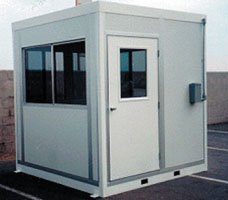 Modular Buildings
 Plastic Containers
 Plastic Pallets
 Plastic Tanks
 Steel Shelving
 Stainless Steel Tanks
 Storage Racks
 Work Benches
 Castings & Forgings
 Bulk Material Handling
 Electrical & Electronic Components
 Flow Instrumentation
 Hardware
 Material Handling Equipment
 Metal Cutting Services
 Metal Forming Services
 Metal Suppliers
 Motion Control Products
 Plant & Facility Equipment
 Plant & Facility Supplies
 Plastic Molding Processes
 Pumps & Valves
 Recycling Equipment
 Rubber Products & Services